Understanding Physical Activity for HLHS Warriors
When a child is diagnosed with Hypoplastic Left Heart Syndrome (HLHS), one of the most common questions parents ask is:
“Will my child be able to play sports or be physically active?”
The answer is yes — in many cases — but with important limits and guidance.
Why Physical Activity Matters for Children With HLHS
Physical activity is important for all children, including those with HLHS. When done safely and under medical supervision, movement can:
- Strengthen muscles
- Improve endurance
- Support emotional well-being
- Help children feel included and confident
Every HLHS child is different, so activity plans must be individualized.
Why HLHS Is Different
Children with HLHS live with single-ventricle circulation, which means:
- Oxygen levels may be lower than average
- The heart works harder during exertion
- Fatigue may happen more quickly
Because of this, not all sports are safe, and approval from a pediatric cardiologist is essential.
Sports & Activities Often Approved for HLHS Children
(Always with doctor approval)
Many children with HLHS safely enjoy low-to-moderate intensity activities, such as:
- Walking
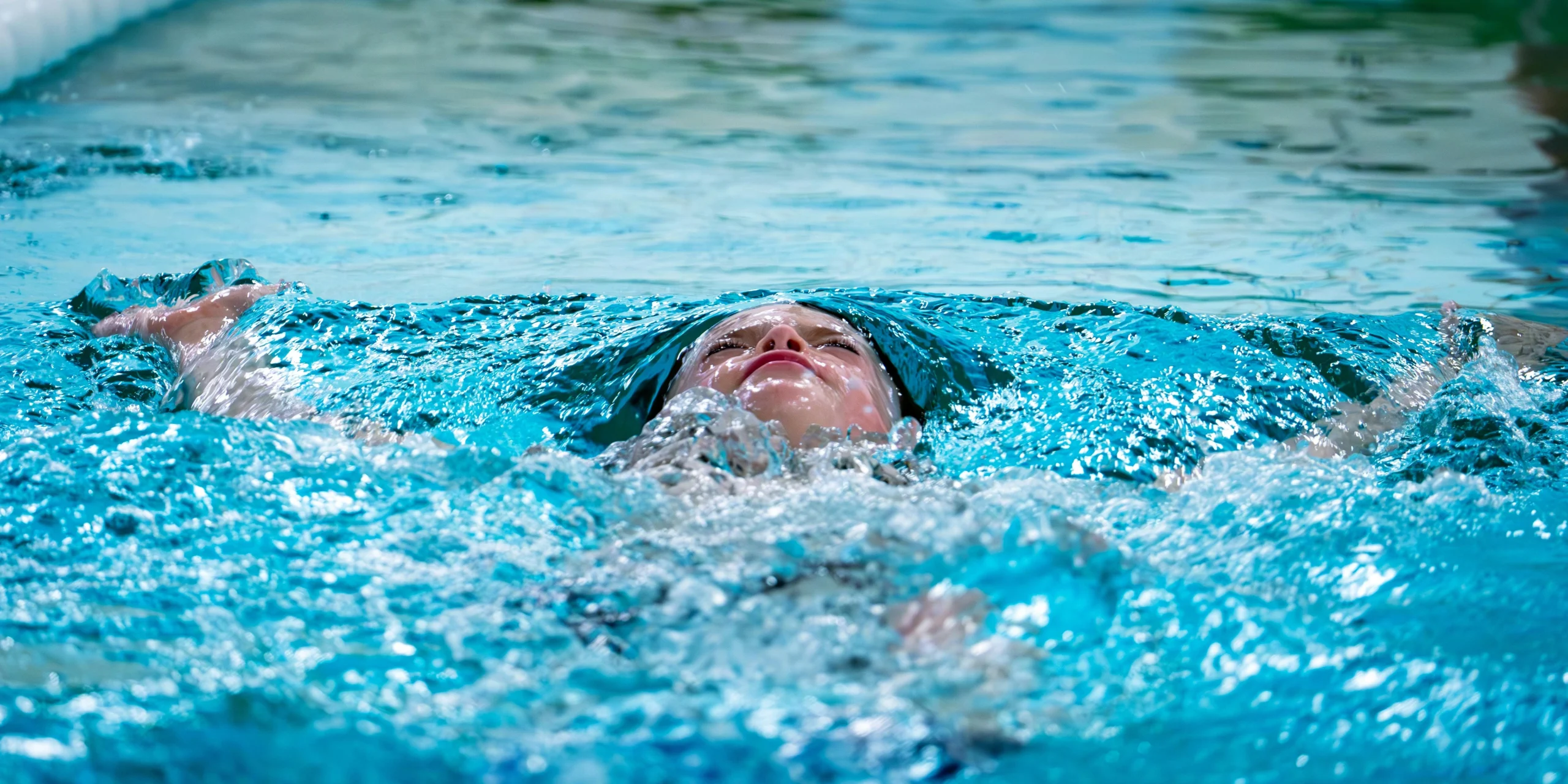
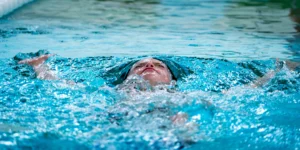
- Swimming (very commonly recommended)
- Cycling at a relaxed pace
- Yoga & stretching
- Dance
- Light, non-competitive soccer
- Playing at the playground
These activities allow children to move, have fun, and socialize — without excessive strain.
Activities Often Restricted or Limited
Some activities may be restricted or closely monitored, including:
- High-intensity endurance sports (marathons, competitive running)
- Heavy weightlifting
- Contact sports (boxing, rugby, American football)
- Extreme competitive athletics
Restrictions are not about weakness — they are about protecting the heart.
The Role of the Cardiologist
Before starting any sport or activity, families should:
- Discuss activity limits with the cardiologist
- Ask about safe heart rate zones
- Watch for warning signs like dizziness, blue lips, or extreme fatigue
Regular checkups help adjust activity as your child grows.
Are There Professional Athletes With HLHS?
At this time, there are no publicly confirmed professional athletes with HLHS. This is due to the medical complexity of the condition.
However, many people with other complex congenital heart defects (CHD) participate in sports and advocacy — showing that heart warriors are strong, capable, and resilient.
Supporting Your Child Emotionally
Children with HLHS may sometimes feel “different” because of activity limits. Parents can help by:
- Celebrating what their child can do
- Encouraging inclusive play
- Focusing on joy, not comparison
Every milestone — big or small — matters
Final Thoughts
Children with HLHS can be active, have fun, and build confidence through movement. With the right medical guidance and family support, physical activity becomes a source of strength — not fear.
Different hearts. Incredible courage.