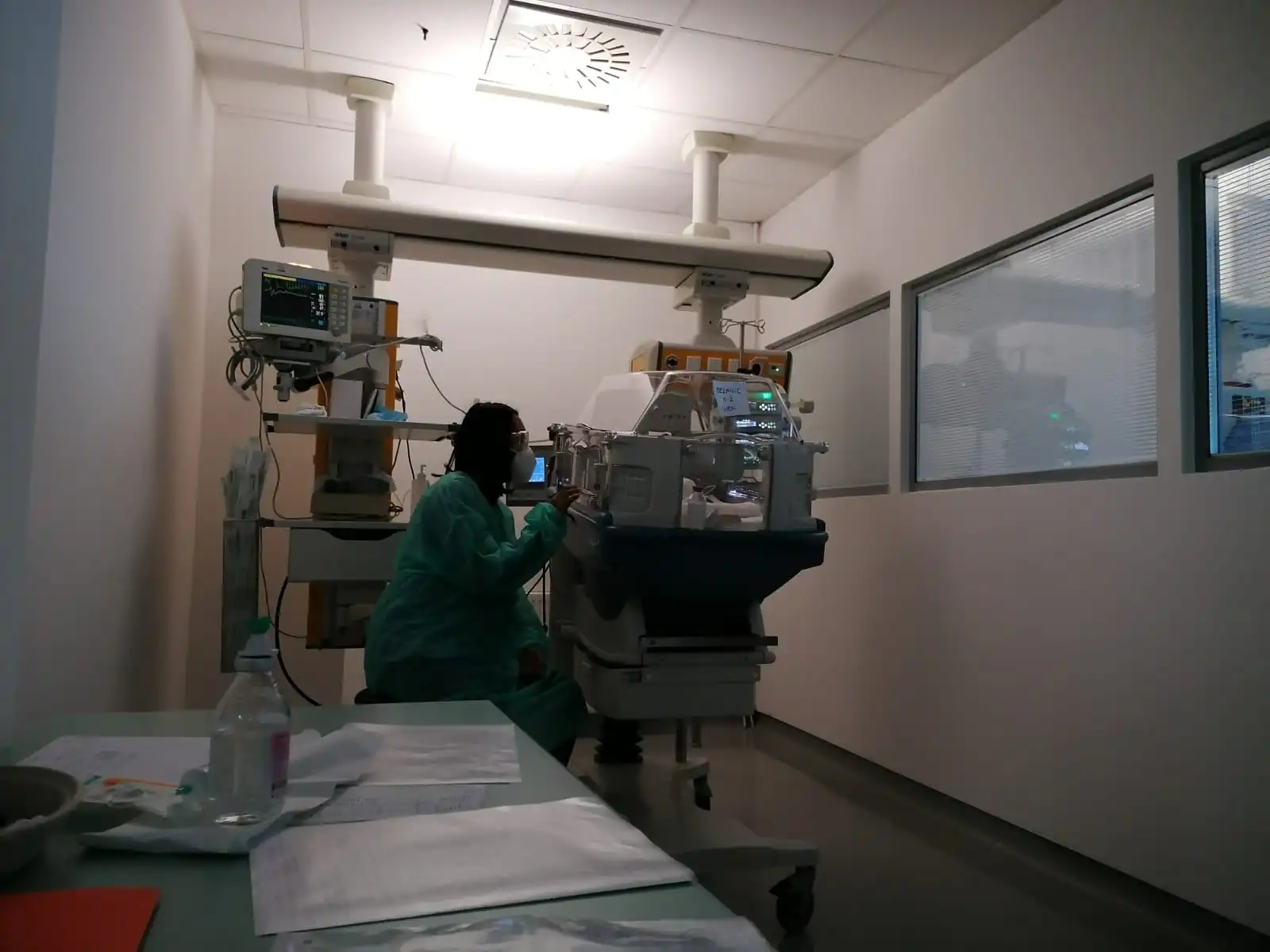
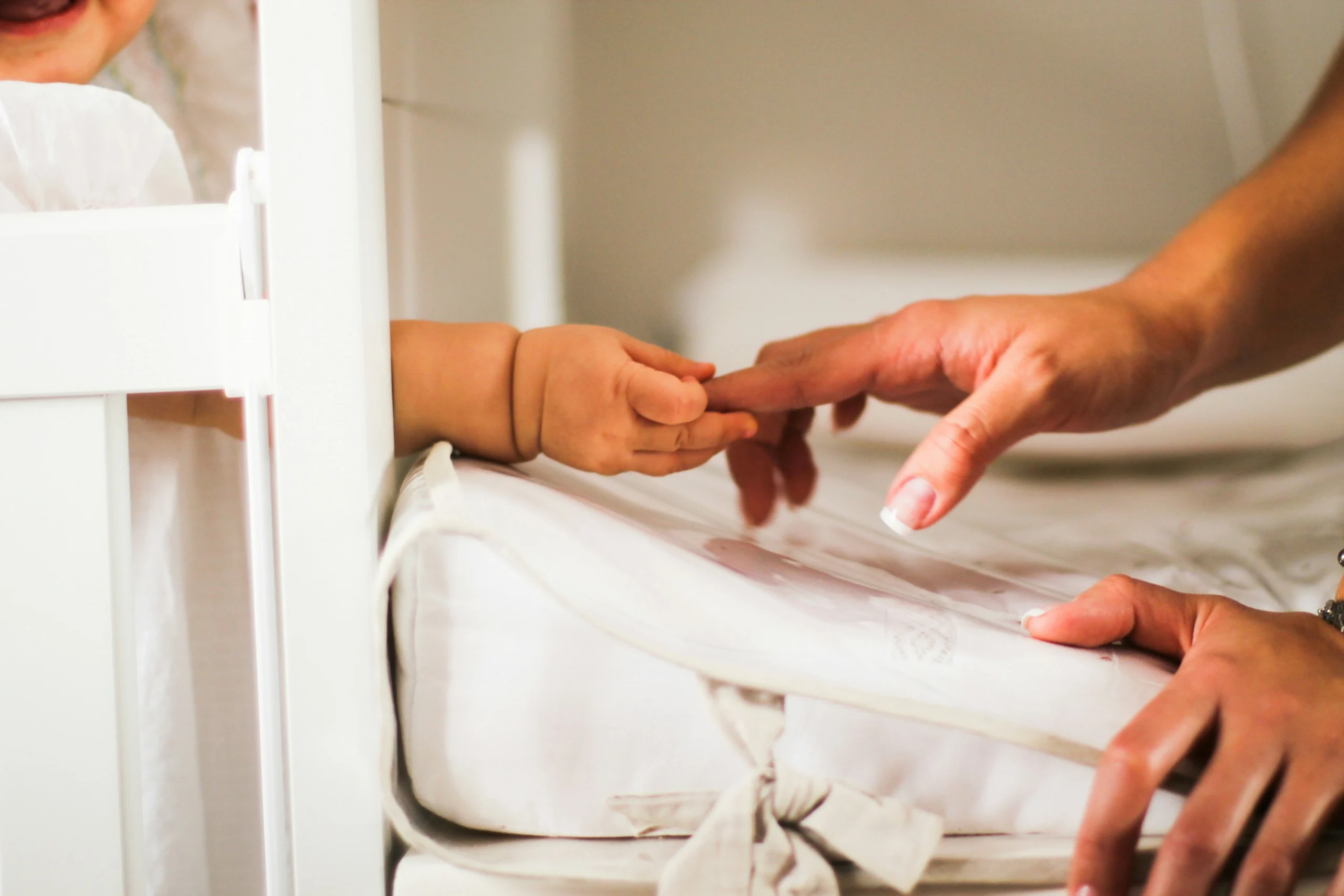
Families newly diagnosed with HLHS (Hypoplastic Left Heart Syndrome) often have many questions. This FAQ is designed to provide clear, practical, and reassuring answers.
1. What is HLHS?
Answer: HLHS is a congenital heart defect where the left side of the heart is underdeveloped. This affects how blood flows through the heart, making medical care and surgeries essential for survival.
2. How is HLHS diagnosed?
Answer: HLHS can be diagnosed before birth with fetal echocardiograms, or after birth through physical exams and imaging tests. Early diagnosis allows families and medical teams to plan care.
3. What causes HLHS?
Answer: HLHS develops early in pregnancy. Doctors do not know the exact cause, and it is not caused by anything a parent did or didn’t do.
4. Can HLHS be cured?
Answer: HLHS cannot be completely “cured.” However, staged surgeries (Norwood, Glenn, Fontan) help the heart work more efficiently, allowing children to live full lives with proper medical care.
5. What surgeries will my child need?
Answer: Most children with HLHS undergo three major surgeries in early childhood:
- Norwood procedure (first weeks of life)
- Glenn procedure (around 3–6 months)
- Fontan procedure (2–4 years)
Each child’s path may differ slightly.
6. Can my child go to school or daycare?

Answer: Yes! With proper precautions and communication with caregivers, children with HLHS can attend school, make friends, and participate in learning and social activities.
7. Can my child play sports?
Answer: Many children with HLHS can participate in low-impact activities such as swimming, walking, or yoga. High-intensity sports should be discussed with your cardiologist.
8. Will my child need medication?
Answer: Yes, many children take medications to support heart function, prevent clotting, or manage fluid balance. Medication routines are an important part of daily care.
9. How do I monitor my child at home?
Answer: Parents often track:
- Oxygen levels (using an oximeter)
- Weight and growth
- Feeding and fluid intake
- Signs of fatigue or illness
Keeping a simple log can help your medical team.
10. How often will my child need medical check-ups?
Answer: Regular check-ups with a pediatric cardiologist are essential. Frequency varies, but expect visits every few months in early years and at least yearly as the child grows.
11. Can my child travel?
Answer: Yes, with careful planning. Speak with your child’s cardiologist first. Prepare medical documentation, medications, oxygen if needed, and plan rest periods during trips.
12. How do I manage emergencies?
Answer: Always have:
- Medical records and prescriptions
- Contact info for your child’s cardiologist
- Hospital or emergency plan
- A small emergency kit with medications and oximeter
Preparation brings peace of mind.
13. What about siblings?
Answer: Siblings may feel anxious or jealous. Include them in care routines when appropriate, spend one-on-one time, and encourage them to ask questions and express feelings.
14. Is HLHS hereditary?
Answer: Most cases of HLHS are not inherited, but families with a history of congenital heart defects should discuss risks with a genetic counselor if planning future pregnancies.
15. Where can I find support?
Answer: Many families find comfort in:
- HLHS support groups and online communities
- Pediatric cardiology clinics
- Nonprofits and advocacy organizations
- Family counseling and therapy
Connecting with others who understand the journey can be empowering.
💙 Final Note
HLHS is a challenging condition, but knowledge, preparation, and support make a huge difference. Each child is unique, and many thrive with love, care, and modern medical advancements.